
Weight Management
A personalized approach to sustainable weight management
Learn about personalized weight management solutions designed to support appetite control, metabolic health, and long-term progress under the guidance of a licensed medical provider.

What is your weight management goal?
Understand your options
Whether you are looking to lose weight or optimize metabolic health, a personalized protocol can be built around your goals, lifestyle, and medical history. Through our network of licensed healthcare providers, you can explore advanced metabolic support options. A licensed provider reviews your information and determines whether any therapy is appropriate for you.
Featured weight management options
Support healthy weight loss
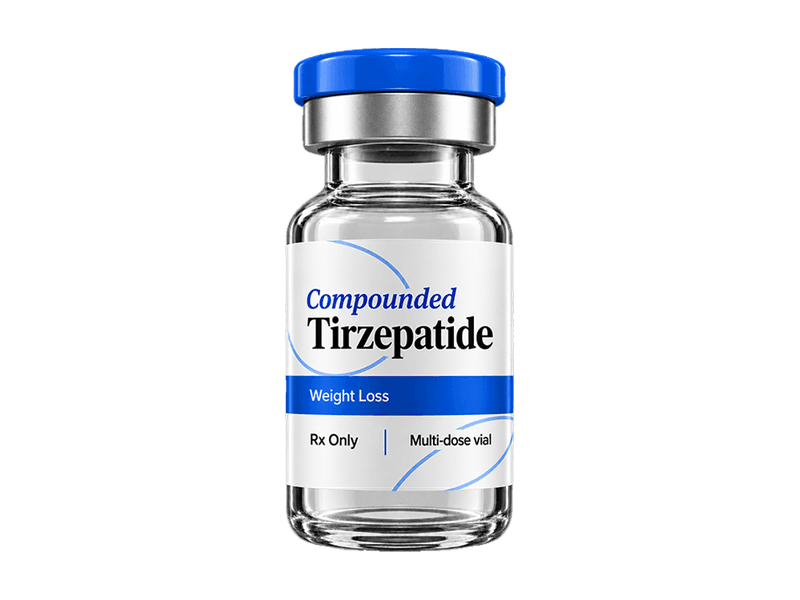
Tirzepatide
A dual GIP/GLP-1 receptor agonist that licensed providers may consider when evaluating support for appetite regulation and metabolic wellness goals.
This therapy requires a prescription. Learn how to get started.
Explore your optionsImprove appetite control
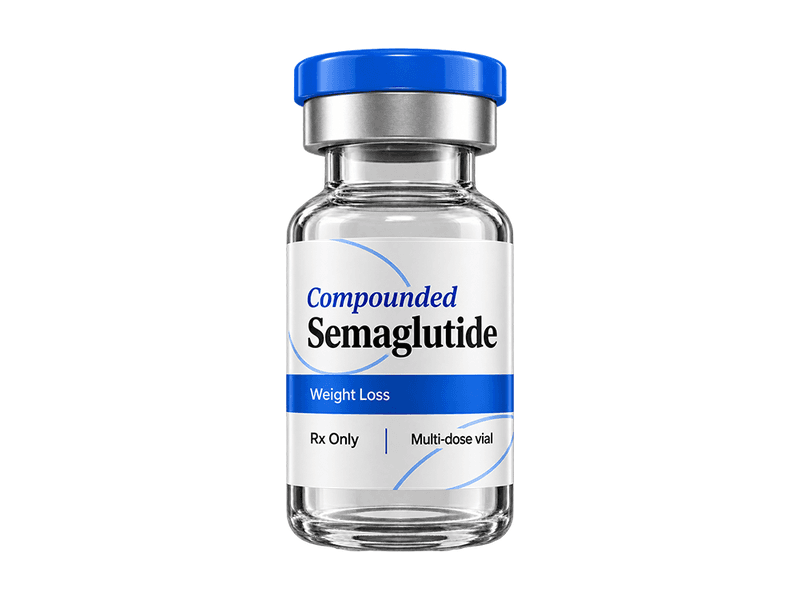
Semaglutide
A GLP-1 receptor agonist that licensed providers may consider when evaluating support for appetite control and sustainable weight-management goals.
This therapy requires a prescription. Learn how to get started.
Explore your optionsMaintain lean body mass
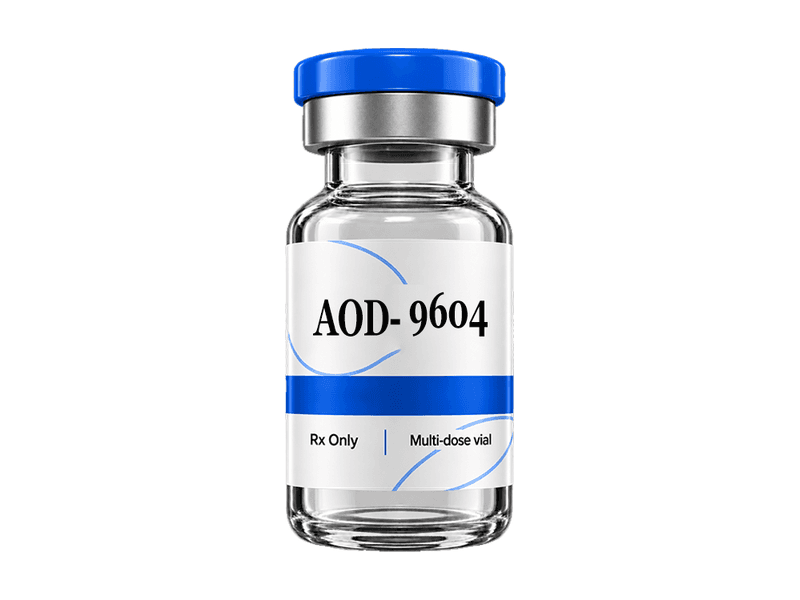
AOD-9604
A modified peptide fragment related to growth hormone that has been studied for its potential role in supporting fat metabolism and body-composition goals as part of a broader wellness approach.
View product (opens the external SFS Wellness Shop)
Educational content only, not medical advice. Clinical eligibility and treatment decisions are handled by licensed professionals. Results vary and are not guaranteed.
Why choose SFS Wellness?
- Licensed providers prescribe and manage your care.
- Therapies shipped discreetly when prescribed.
GLP-1 receptor agonists and weight management: What the evidence shows
GLP-1 receptor agonists such as semaglutide and tirzepatide are prescription medications that have been studied for weight management in adults with obesity or overweight and related health conditions. These medicines work by mimicking a natural hormone involved in appetite regulation and blood-sugar control. They are intended to be used under the care of a licensed healthcare provider as part of a broader plan that includes nutrition, physical activity, and ongoing medical monitoring—not as stand-alone solutions.
- Evidence from clinical trials: Large randomized controlled trials and meta-analyses have shown that certain GLP-1 receptor agonists can produce clinically meaningful weight loss, reductions in BMI, and decreases in waist circumference when used together with lifestyle changes in appropriate adult patients. Results vary by individual, dose, duration of treatment, and adherence to lifestyle measures.
- Effects on appetite and satiety: These medications act on pathways that can increase feelings of fullness, reduce hunger, and decrease food cravings in many people. This may support changes in eating behavior when combined with dietary counseling and behavioral support.
- Metabolic considerations: In addition to effects on body weight, some GLP-1 receptor agonists have been shown in clinical studies to improve markers of blood-sugar control and other metabolic parameters in certain patient populations. They are not appropriate for everyone, and benefits must be weighed against individual risks.

How to get started
Explore your options
Review the approaches described on this page and the questions worth raising with a provider.
Meet with a licensed provider
A licensed provider evaluates your history, goals, and medical appropriateness. Provider consultation is required for these therapies.
Begin your personalized protocol
If prescribed, therapy is fulfilled by a licensed pharmacy and delivered with instructions.
Frequently asked questions
I train and watch what I eat, but the weight still won’t move. Could a GLP-1 medication be appropriate, or do I just need more discipline?
Body weight is influenced by multiple factors, including appetite regulation, metabolic adaptation, genetics, age-related changes, and hormones. For some adults with obesity or overweight plus related health conditions, lifestyle measures alone may not produce the desired results. Certain FDA-approved GLP-1 receptor agonists have been shown in clinical trials to support weight reduction when used together with diet and physical activity under medical supervision. These medications are prescription-only and are not a substitute for lifestyle changes or a reflection of personal discipline. A licensed healthcare provider evaluates each individual’s medical history, current health status, and goals to determine whether any medication is appropriate.
Is this the same as Ozempic, Wegovy, Mounjaro, or Zepbound?
Ozempic and Wegovy contain the active ingredient semaglutide and are FDA-approved products. Mounjaro and Zepbound contain the active ingredient tirzepatide and are also FDA-approved products. Each has undergone FDA review for safety, effectiveness, and quality for specific indications. Compounded versions of semaglutide or tirzepatide (sometimes prepared with additional ingredients such as glycine or B12) are not FDA-approved. Compounded drugs are prepared by a state-licensed pharmacy for an individual patient pursuant to a prescription and are not reviewed by the FDA for safety, effectiveness, or quality before they are marketed. They are not the same as, and are not interchangeable with, the FDA-approved branded products. A licensed clinician determines whether any form of these medications is medically appropriate for a specific patient.
How soon might someone notice a difference?
Responses vary widely. Some people report changes in appetite or cravings within the first several weeks of treatment with an FDA-approved GLP-1 receptor agonist, while visible changes in weight or body composition typically occur more gradually over months and depend on dose titration, adherence, lifestyle factors, and individual biology. These medications are generally intended for longer-term use under ongoing medical supervision rather than short courses. A healthcare provider monitors progress and can adjust the treatment plan as needed. Results are not guaranteed and differ from person to person.
Should someone start with semaglutide or tirzepatide?
Semaglutide acts primarily on the GLP-1 receptor. Tirzepatide is a dual agonist that acts on both the GLP-1 and GIP receptors. Both are available as once-weekly injectable formulations in their FDA-approved forms. The choice of medication (if any), starting dose, and titration schedule is a clinical decision made by a licensed healthcare provider after reviewing the individual’s medical history, laboratory results, treatment goals, potential risks, and other relevant factors. There is no universal “starting” or “step-up” sequence that applies to every person.
How does the evaluation and prescribing process typically work?
Access to any GLP-1 receptor agonist requires evaluation by a licensed healthcare provider. This usually involves a medical intake, review of health history, and a clinical consultation (which may occur via telehealth where permitted by applicable state and federal rules). You can connect with a provider here. If the clinician determines that a prescription is appropriate, it is sent to a pharmacy. Compounded versions, when used, are prepared for a specific patient and are not FDA-approved finished products. Not every individual is a candidate for these medications. A clinician will discuss potential benefits, risks, alternatives, and monitoring requirements before any prescription is issued.