
Hormone Therapy
Understand your hormones. Feel more like yourself.
Learn about the science of hormonal balance and how comprehensive evaluation by a licensed healthcare provider can help identify what may be appropriate for your individual health profile.

What are your hormone-related goals?
Understand your starting point
If you’re noticing changes in energy, mood, sleep, body composition, or other aspects of how you feel, the first step is usually a conversation with a licensed healthcare provider and appropriate lab testing. Bloodwork and a careful review of your health history help create a clearer picture. Only a licensed provider can interpret those results and determine whether any hormone-related approach is appropriate for you.
Featured hormone-related options
Optimize wellness under provider care

Provider-managed hormone support
Membership-style hormone support is coordinated through licensed providers, with intake, baseline review, and ongoing guidance handled in the clinical pathway.
Get Started (opens the external SFS Wellness Shop)Understand your hormone levels

Essential hormone panels
Baseline laboratory panels support intake and provider review. Which panels apply, and how results are interpreted, is decided by a licensed provider.
Get Started (opens the external SFS Wellness Shop)Support healthy hormone balance
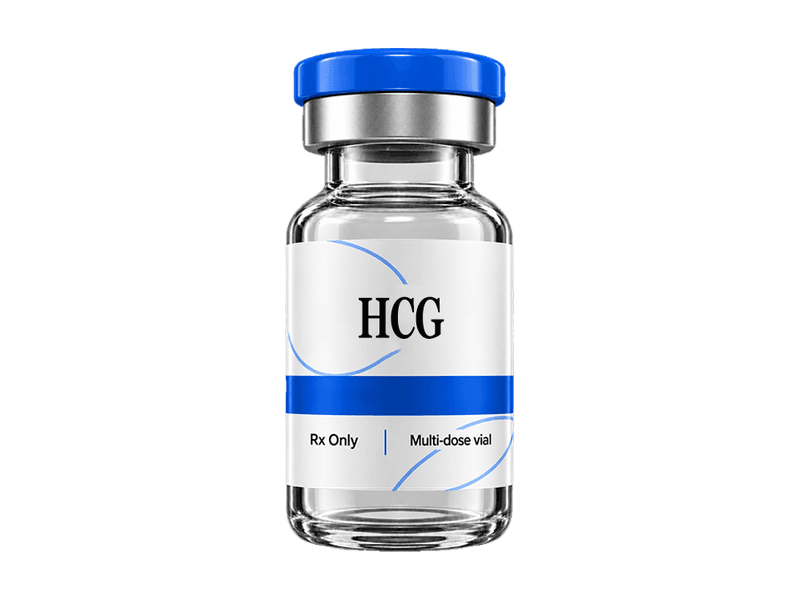
HCG
HCG is discussed in hormone-signaling education and is framed around provider evaluation and laboratory context rather than self-directed use.
View Product (opens the external SFS Wellness Shop)
Explore additional hormone-related options
This information is provided for educational purposes only and does not constitute medical advice, a recommendation, or an offer of treatment.
| Therapy | Primary focus | Description |
|---|---|---|
| Signature HRT Membership | Women's Hormone Health | A concierge-style hormone replacement program designed to help women navigate perimenopause, menopause, and hormonal changes with personalized care and ongoing provider support. |
| HCG (Human Chorionic Gonadotropin) | Hormone Support | Supports natural hormone production and may be incorporated into personalized hormone optimization programs for both men and women when clinically appropriate. |
| Rythm Labs At-Home Lab Kit | Diagnostic Testing | An at-home lab kit for baseline hormone blood work before and during a provider-managed plan. A licensed provider interprets the results. |
| Tesamorelin | Growth Hormone Support | A growth hormone-releasing hormone analogue that stimulates natural growth hormone secretion and may support healthy body composition under provider supervision. |
| CJC-1295 | Growth Hormone Optimization | A peptide that stimulates the body's natural production of growth hormone and is commonly incorporated into wellness protocols focused on recovery, body composition, and healthy aging. |
| Kisspeptin | Reproductive Hormone Signaling | A naturally occurring peptide involved in regulating reproductive hormone signaling through the hypothalamic-pituitary-gonadal axis. It is being explored in personalized fertility and hormone optimization programs. |
| Oxytocin Acetate | Emotional & Sexual Wellness | Oxytocin is a naturally occurring hormone involved in bonding, intimacy, mood, and sexual health. Provider-guided therapy may be appropriate for select patients experiencing symptoms related to hormonal changes. |
Educational content only, not medical advice. Clinical eligibility and treatment decisions are handled by licensed professionals. Results vary and are not guaranteed.
Why choose SFS Wellness?
- Licensed providers prescribe and manage your care.
- Therapies shipped discreetly when prescribed.
Understanding hormones and how they change over time
Hormones help regulate many of the processes that affect how you feel day to day—energy, metabolism, mood, sleep, body composition, sexual wellness, and more. Levels of certain hormones can shift with age, menopause or perimenopause, stress, or other health factors. When that happens, some people notice changes such as fatigue, sleep disruption, mood shifts, reduced libido, or changes in muscle and body composition. Understanding these changes usually begins with a conversation with a licensed healthcare provider and appropriate laboratory testing.
- Hormones influence many body systems: Estrogen, progesterone, testosterone, thyroid hormones, and other signaling molecules play roles in metabolism, cardiovascular and bone health, mood, cognition, sleep, and sexual function. Because these systems are interconnected, shifts in one area can affect how you feel overall.
- Hormonal changes are a normal part of life for many women: During perimenopause and menopause, gradual shifts in estrogen and other hormones can contribute to hot flashes, sleep disruption, mood changes, brain fog, or changes in body composition. For some women, evidence-based hormone therapy may be considered after a careful clinical evaluation. Suitability depends on individual health history, symptoms, and risk factors.
- Testing helps create a clearer picture: Laboratory testing, interpreted alongside your symptoms and medical history, allows a licensed healthcare provider to better understand what may be contributing to how you feel. Testing alone does not determine treatment; clinical judgment is essential.

How to get started
Explore your options
Review the approaches described on this page and the questions worth raising with a provider.
Meet with a licensed provider
A licensed provider evaluates your history, goals, and medical appropriateness. Provider consultation is required for these therapies.
Begin your personalized protocol
If prescribed, therapy is fulfilled by a licensed pharmacy and delivered with instructions.
Frequently asked questions
What is meant by “hormone optimization”?
The phrase is sometimes used to describe a clinical process that begins with evaluating symptoms, medical history, and laboratory results related to hormone levels. A licensed healthcare provider may then discuss evidence-based options—which can include lifestyle measures, FDA-approved hormone therapies when indicated, or other medically appropriate approaches. The goal of evaluation is to understand what may be contributing to how you feel, not to guarantee restoration of “balance” through any particular product or protocol.
Why is hormone testing often recommended?
Symptoms such as fatigue, sleep changes, mood shifts, or changes in body composition can have many possible causes, including but not limited to hormonal factors. Laboratory testing, interpreted together with your clinical history, helps a licensed healthcare provider form a clearer picture. Testing provides objective information; it does not automatically lead to a specific treatment and is not a substitute for full clinical judgment.
Who might benefit from a hormone evaluation?
Adults who are experiencing ongoing symptoms that could be related to hormonal changes—such as those that can occur with aging, perimenopause, menopause, or other health conditions—may choose to discuss evaluation with a licensed healthcare provider. A provider determines whether testing or any form of care is appropriate based on the full clinical picture. Experiencing common symptoms does not automatically mean hormone therapy or any other specific intervention is indicated.
What is the status of certain peptides sometimes discussed in this context?
Some peptides are occasionally mentioned in discussions of hormone-related pathways: Tesamorelin is FDA-approved only for the reduction of excess abdominal fat in adults with HIV-associated lipodystrophy. It is not approved for general hormone optimization, anti-aging, or performance-related uses. CJC-1295, Kisspeptin, and many related compounds remain investigational and are not FDA-approved for routine hormone optimization, menopause support, or general wellness. HCG has specific FDA-approved indications (primarily in certain fertility and hypogonadism settings) and is not approved as a general hormone-optimization agent. Oxytocin formulations have limited approved uses; broader wellness applications are not established as FDA-approved therapies. Availability of compounded or investigational substances is subject to significant federal and state restrictions. A licensed healthcare provider can explain what is and is not legally and clinically appropriate in an individual case.
What approaches are commonly considered for women during perimenopause or menopause?
For many women, symptoms related to perimenopause or menopause are addressed through a combination of lifestyle measures and, when appropriate, FDA-approved hormone therapy after a careful risk-benefit discussion with a licensed clinician. Investigational peptides are not established or FDA-approved treatments for these symptoms. Any recommendations are individualized and based on symptoms, health history, laboratory findings, and current clinical guidelines.
What approaches are sometimes discussed for men?
Men experiencing symptoms that may relate to age-associated hormonal changes may undergo evaluation that includes laboratory testing and clinical assessment. When indicated, FDA-approved therapies for specific conditions (such as certain forms of hypogonadism) may be considered. Investigational peptides are not FDA-approved for general “hormone optimization,” muscle maintenance, or vitality enhancement in healthy men. Decisions remain individualized and clinician-directed.
What is known about safety?
All hormone-related therapies carry potential benefits and risks. FDA-approved hormone therapies have established safety profiles and monitoring recommendations for their approved uses. Investigational or compounded peptides have not undergone the same level of review for safety, effectiveness, and quality. A licensed healthcare provider reviews medical history, current medications, laboratory results, and individual risk factors before recommending any approach and provides appropriate follow-up when treatment is initiated.